First grooming visit: prepare coat and temperament information
Prepare an unfamiliar experience before deciding what the finished photograph should look like.
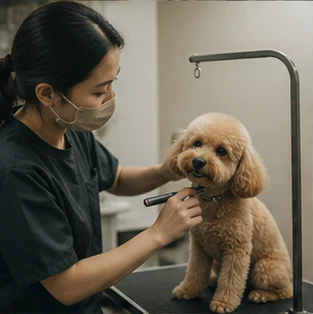
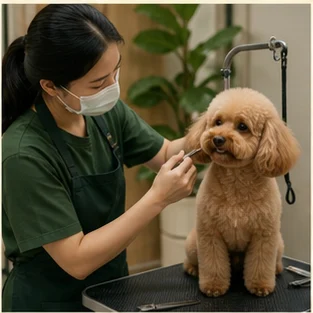
A first professional grooming visit is also a first handover to someone working closely with the animal. The useful preparation is an honest history, a provider conversation and an agreed stopping and contact plan. A completed hairstyle should not be the only measure of whether the visit was handled appropriately.
Before you begin
- Tell the provider this is the first professional visit.
- Raise health concerns with the vet rather than concealing them for a booking.
01Explain why you are arranging the visit
Describe the practical reason: coat maintenance, help with a task or uncertainty about suitable care. Ask whether the provider works with this species and whether the proposed service fits the situation.
If you have noticed a concerning skin or coat change, discuss it with a vet. RSPCA cat-grooming guidance directs owners to veterinary assessment for coat changes; a cosmetic appointment should not be treated as diagnosis.
02Give an honest handling history
Explain what the animal has and has not experienced, including any previously difficult handling. Say unknown when the history is unavailable instead of promising that the animal accepts everything.
Bring useful existing care information without a dossier of unrelated household details. A short note about what you have actually observed gives the groomer more to work with than a label such as naughty.
03Ask how the first session is managed
Discuss who handles the animal, how it is supervised and what the provider does when it appears distressed or the work cannot proceed as planned.
Ask whether an introductory conversation or adjusted first visit is available, without assuming every branch offers one. Do not accept forced completion as the only definition of a successful first appointment.
04Agree a limited, understandable scope
Confirm the work being considered, the estimate and which changes require a call. Give a contact who will genuinely answer during the visit and clarify collection arrangements.
A picture can show a preference, but ask the professional to explain what is appropriate for this animal. Do not independently add medical products or request sedation through a grooming brief.
05Leave with a useful handover
Ask what was done, what was not completed and what the provider observed. Separate those observations from a medical diagnosis and ask which home-care questions should go to the vet.
Record any practical change for next time: appointment setup, communication or a narrower scope. The first visit is information for a better next decision, not a deadline by which the animal must accept all grooming.
Questions to take with you
Questions worth asking
- What would make you pause or stop this first visit?
- Who will contact me if the agreed work needs to change?
Your working note
- Reason __; known history __; unknown history __.
- Agreed scope __; reachable contact __; afterwards: done/not done/questions __.
This is practical preparation, not veterinary, legal or travel clearance. Confirm individual care with the appropriate professional and current terms with the actual provider.
Sources and how to use this guide
These sources support the principles in this guide. It has not had a veterinarian’s clinical review, and it is not a facility inspection or a service-quality certification.