Travel with a pet: a checklist that starts at the destination
Confirm the destination and every connection before turning a trip into a booking.
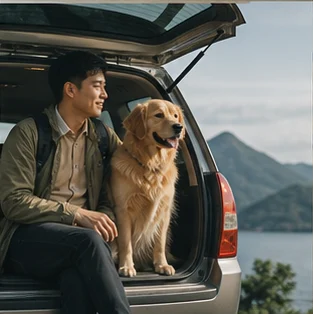
An animal's journey includes the apartment door, the transfer, the operator and the place you will stay. A ticket for the human does not answer all those questions. Build one route sheet with dated confirmations and unresolved items, rather than treating a general pet-travel article as permission to depart.
Before you begin
- Check the exact route, date, species and operator.
- Do not derive treatment or feeding instructions from a travel checklist.
01Start with where the animal will stay
Confirm that the actual accommodation accepts this animal for these dates and ask about its conditions. For an international journey, identify the destination authority responsible for entry requirements before purchasing transport.
Record what you have confirmed and what still needs an answer. Permission from a hotel does not establish border eligibility, and a country's entry information does not establish a room reservation.
02Check every operating company
List the company operating each leg, including connections and local transfers. Ask each about acceptance, booking, carrier and documentation requirements for your particular journey.
Vietnam Airlines publishes its own pet-transport conditions and limits their application to flights it operates. Use that as an example of operator specificity, not as a rule for another airline, bus, train or driver.
03Discuss the animal's needs with the vet
Give the vet the route, expected travel conditions and known health history. Ask about fitness to travel and which records or individual preparation need professional attention.
Take current operator and destination questions to that conversation. Do not invent a vaccination, medication, fasting or sedation plan merely because a transport website has a generic preparation section.
04Include the time between vehicles
Plan the carrier's actual use, check-in, waiting, transfers and arrival handover. Confirm who stays responsible for the animal when luggage, documents or a vehicle change need attention.
Ask what happens if an operator refuses carriage or a connection changes. A backup needs feasible transport and animal-accepting accommodation, not just a second address on a map.
05Reconfirm before departure
Revisit the official policy and your booking response when the route, date or operating company changes, and close to departure. Keep important confirmations and contacts readable offline.
A blank route row might read: leg __; operator __; animal accepted __; source checked __; unanswered condition __. Leave the last field visible until resolved rather than allowing a purchased ticket to conceal it.
Questions to take with you
Questions worth asking
- Has every operator accepted this animal on this actual route?
- Which destination or veterinary requirement remains unresolved?
Your working note
- Destination confirmation __; operator responses __; vet questions __.
- Carrier/waiting plan __; responsible adult __; fallback __.
This is practical preparation, not veterinary, legal or travel clearance. Confirm individual care with the appropriate professional and current terms with the actual provider.
Sources and how to use this guide
These sources support the principles in this guide. It has not had a veterinarian’s clinical review, and it is not a facility inspection or a service-quality certification.