Preparing for a lost pet: information to have ready
Prepare the information that helps identify an animal without publishing the household's private life.
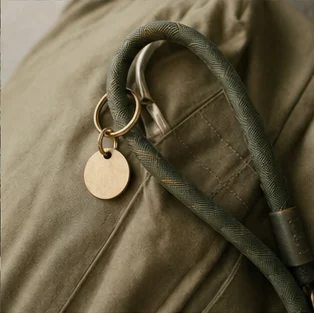
When an animal is missing, scattered photographs and outdated contact details make communication harder. Prepare a private identification record now and a smaller notice you could share if needed. This is advance preparation, not a guarantee of recovery or a claim that PAVI operates a live lost-pet reporting network.
Before you begin
- Keep the complete record private and accessible to a trusted adult.
- Use current contact details with the actual identification registry, if applicable.
01Choose identifying photographs
Keep recent, clear views that show the animal's face, overall appearance and useful distinguishing markings. Add a factual description without an invented breed, age or measurement.
Date the photographs and update them after a significant appearance change. A decorative portrait can be lovely while still hiding the markings another person would need to recognise.
02Check the records that actually exist
If the animal has a microchip or another identification record, find the relevant number and the organisation maintaining the registration. Check that your contact information there is current.
FDA preparedness guidance supports current microchip registration and identifying photographs. Do not assume every local finder has access to the same registry or treat a number stored only in your notes as a completed registration.
03Make private and public versions
Keep ownership-related documents, full records and household access information in the private master. Prepare a public template with an appropriate contact route and only information useful for identification.
If an incident happens, fill in the actual last-seen place and time rather than publishing a habitual route as though it were a sighting. Avoid adding apartment codes or your family's absence schedule.
04Build a relevant contact list
Identify the actual veterinary practices, animal organisations and building contacts you could approach locally. Save their official contact pages and note what each says it can help with.
Ask before assuming that an organisation receives found animals or provides rescue transport. This guide intentionally supplies no unverified Vietnam hotline, guaranteed recovery service or imported overseas emergency number.
05Verify responses without oversharing
If someone later says they have the animal, ask for information that helps establish the claim and arrange safe, appropriate coordination. Do not disclose account passwords or send identity documents merely because a message feels urgent.
Keep the original messages and involve an appropriate local authority if fraud or personal safety concerns arise. A prepared record helps you ask clearer questions; it does not turn every incoming lead into verified evidence.
Questions to take with you
Questions worth asking
- Are the actual registry contact details current?
- What can be shared publicly without exposing home access or private records?
Your working note
- Photo date __; distinguishing features __; actual registry/contact __.
- Private evidence location __; public contact __; verified local organisation __.
This is practical preparation, not veterinary, legal or travel clearance. Confirm individual care with the appropriate professional and current terms with the actual provider.
Sources and how to use this guide
These sources support the principles in this guide. It has not had a veterinarian’s clinical review, and it is not a facility inspection or a service-quality certification.