Pet events: knowing when it is time to leave
An invitation for pets is a starting point, not a reason every animal should attend.
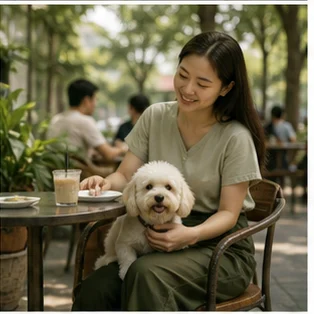
A pet event may offer company for the household while bringing noise, queues and unfamiliar contact for the animal. Decide whether the experience fits your companion before buying a ticket. Good etiquette protects space and allows an early exit; it does not require an animal to greet everyone or complete the programme.
Before you begin
- Check the actual organiser's current entry conditions.
- Leaving early is a valid part of the plan.
01Read the event's own rules
Confirm the date, location, species accepted and the organiser's stated entry or equipment conditions. Ask about unclear wording before you travel rather than assuming an event poster contains the whole policy.
Write the official contact beside your plan. This guide supplies no universal event vaccination requirement, venue permission or promise that an advertised activity suits every participant.
02Assess the environment, not the photographs
Ask about expected noise, queues, shared animal areas and options to keep distance. A spacious publicity photograph cannot establish how the actual event will be arranged.
Use the animal's known preferences in the decision. For a companion that finds unfamiliar groups difficult, ask a qualified professional about suitability instead of treating attendance as compulsory socialisation.
03Prepare a simple arrival and exit
Bring the animal's relevant identification, ordinary supplies and current care contact. Check where you can wait appropriately and how you would leave if the arrangement does not work.
For an outdoor event, clarify shade and animal-permitted refuge. RSPCA heat guidance supports planning these conditions; a water sponsor's logo does not confirm what your animal can actually access.
04Ask before approaching
Keep space around other animals and ask the responsible person before contact, photographs or offering anything. A friendly intention does not override another household's boundary.
Do not force greetings for content or because someone paid for a photo session. Keep children under an adult's active supervision and follow the animal's need for distance rather than a crowd's encouragement.
05Let the animal end the visit
Choose an exit point in advance and use it when the experience is no longer suitable. You do not need to recover the ticket value by staying through every activity.
Afterwards, note the environment and what worked for this individual. A short comfortable visit, or choosing not to attend, can be a better decision than completing a busy event while ignoring the animal's needs.
Questions to take with you
Questions worth asking
- Where can we maintain distance without blocking other people?
- What is our practical way to leave early?
Your working note
- Organiser/rules checked __; unknown condition __; arrival point __.
- Distance plan __; exit __; responsible adult __; next-time note __.
This is practical preparation, not veterinary, legal or travel clearance. Confirm individual care with the appropriate professional and current terms with the actual provider.
Sources and how to use this guide
These sources support the principles in this guide. It has not had a veterinarian’s clinical review, and it is not a facility inspection or a service-quality certification.