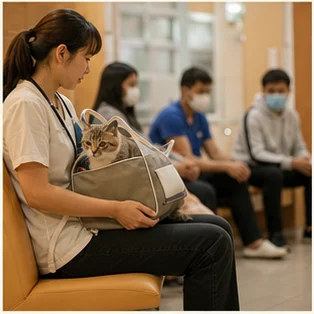
Pet hotel admission: read conditions before packing
After choosing a boarding provider, check what must be agreed before the animal arrives.

Provider selection and admission are different tasks. You may like the facility yet still need to resolve documents, collection timing or whether a prescribed care routine can be followed. Obtain the selected branch's current conditions before paying or packing, and keep unanswered requirements visible rather than hoping they will be waived at the desk.
Before you begin
- Use the actual branch's written requirements for the intended dates.
- Admission rules do not create a universal medical schedule.
01Obtain current eligibility requirements
Ask which animals the provider accepts and which documents it requires for this booking. Record the exact wording and who supplied it, including anything that depends on individual assessment.
RSPCA boarding guidance supports checking suitability and health information, but does not establish this Vietnamese branch's rules. If a clinical requirement needs clarification, consult the vet rather than inventing or altering a treatment schedule.
02Confirm drop-off and collection
Write the accepted arrival and collection windows, the person handing over the animal and the person authorised to collect it. Ask how delays are handled.
Clarify whether pricing units depend on days, nights or another stated basis and what the provider says about late collection. Leave any amount blank until supplied; do not import a fee from another hotel.
03Check food, medication and equipment acceptance
Ask whether the branch can follow the animal's actual feeding and vet-issued instructions, what you must bring and how supplies should be labelled or handed over.
Do not assume a staff member can provide every medical task. If a required skill or product cannot be accepted, resolve a suitable care arrangement before arrival rather than leaving an unworkable instruction in the bag.
04Read cancellation and unexpected-change terms
Ask what happens if admission is refused, your dates change or the stay cannot continue. Request the deposit, refund and cancellation conditions in writing for the agreed booking.
Discuss contacts and how veterinary concerns and associated costs are communicated. The agreement should identify the decision-maker and backup, without turning a commercial term into a reason to ignore an urgent animal-health concern.
05Close the unresolved list before departure
Send the branch a concise summary of remaining questions and obtain answers from the person responsible. Keep the accepted conditions beside the booking details.
A ready-to-arrive checklist records documents confirmed, care accepted and collection agreed. If an essential condition remains unresolved, contact the provider before travelling; a packed bag is not evidence of an accepted admission.
Questions to take with you
Questions worth asking
- Which current requirement remains unconfirmed for this animal?
- Who confirms acceptance of the actual care instructions?
Your working note
- Branch/dates __; documents required __; confirmation __.
- Arrival/collection __; care accepted __; terms source __; unresolved item __.
This is practical preparation, not veterinary, legal or travel clearance. Confirm individual care with the appropriate professional and current terms with the actual provider.
Sources and how to use this guide
These sources support the principles in this guide. It has not had a veterinarian’s clinical review, and it is not a facility inspection or a service-quality certification.