Body condition notes: a photo does not replace a conversation
Bring a usable weight history and ask your veterinarian to explain body and muscle condition separately.
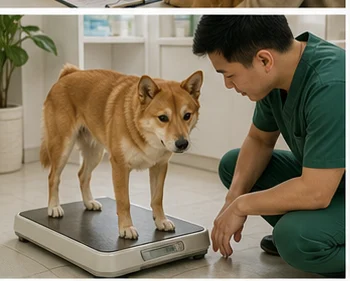
A number on a scale is one piece of information, not a complete nutritional assessment. Body condition concerns fat stores, while muscle condition concerns muscle. Ask the veterinary team to explain these distinctions for your animal instead of trying to diagnose condition from a photograph.
Field notes
- Date every recorded weight.
- Include the scale and measurement context.
- Keep food history alongside the numbers.
- Ask for a clinician-led explanation.
01Keep the measurements comparable
If you already have weights from clinic visits, copy the value, unit and date accurately. Note when a different scale or method was used rather than presenting every number as directly interchangeable.
You do not need to wrestle an animal onto a household scale for this article. Ask the clinic how they would like future measurements obtained, particularly if handling or mobility is a concern.
02Ask what each assessment means
Request an explanation of weight, body condition and muscle condition using your animal’s actual assessment. Ask which findings are being recorded and what they can and cannot tell you.
Do not use a coat silhouette or an online chart to assign a diagnosis yourself. A useful question is: “Can you show me what you are assessing and what changes would be meaningful to discuss?”
03Add the food context behind the number
List the food actually offered, treats, supplements and food used with medicines, including contributions from other carers. Include label information instead of relying on a vague description such as “a healthy brand”.
Use a blank record: date ___; weight and unit ___; measurement source ___; current food ___; extra food ___; relevant observation ___. Unknown portions should stay unknown until they can be clarified.
04Make photographs optional and honest
Ask whether existing photographs would help the discussion. If the team suggests future photos, ask what views they need and how to obtain them without forcing an uncomfortable position.
A photo may have different lighting, posture or coat appearance from an earlier image. Keep that context visible. Do not treat an attractive comparison image as a substitute for the clinician’s assessment.
05Agree how progress will be reviewed
Ask which measurement or observation the team wants to follow, who records it and how you should report it. If a nutrition change is recommended, request the individual written plan.
Keep the plan’s date beside later entries so you can distinguish observations before and after it. Do not create a calorie reduction, target weight or exercise challenge from this worksheet; those decisions require the professional context.
Questions to take with you
Ask before deciding
- How do weight, body condition and muscle condition differ here?
- How should we obtain useful future measurements?
- What exactly are we reviewing after the agreed plan?
A practical sequence
- Gather dated weights and food details.
- Ask for an individual condition explanation.
- Record the agreed review method.
This page provides no body-condition diagnosis, target weight, calorie prescription or weight-loss plan.
Sources and how to use this guide
These sources support the principles in this guide. It has not had a veterinarian’s clinical review, and it is not a facility inspection or a service-quality certification.