Guides for life with dogs and cats
100 original guides written for life in Vietnam: bringing a pet home, vet visits, food, play, travel and choosing services. Every guide links to sources you can open.
16 guides · Prepare better observations and questions before seeing a veterinarian.
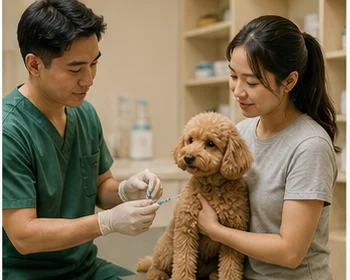
Vaccination: information to bring to the appointment
Turn a vaccination record into a clear discussion about your own animal’s next steps.

Preventive checkups: make one appointment more useful
Bring an agenda that connects everyday changes to a plan you can understand.
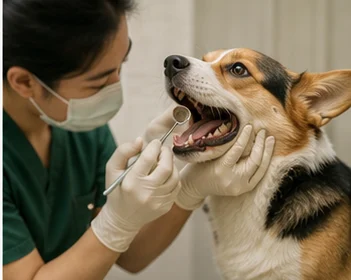
Dental care: questions to bring to your veterinarian
Understand what is being proposed before turning a mouth concern into a treatment decision.
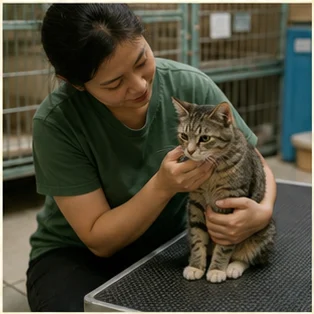
Fleas and ticks: why a plan needs season and place
Bring the product and the context, so your veterinarian can explain an appropriate choice.

Parasite prevention: there is no one schedule for every home
Keep the veterinarian’s parasite plan understandable across animals, carers and changing exposure.

Medication safety: what to record instead of self-treating
Make it possible to verify the animal, the instruction and the last confirmed administration.

When appetite changes: notes that can help your veterinarian
Contact your veterinary team about a new appetite concern; use these notes to explain what changed.
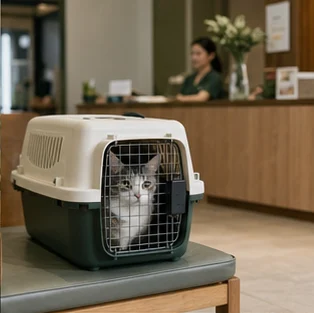
Digestive changes: prepare information before calling a vet
Explain a vomiting or stool change clearly without using a diary as permission to wait.

Breathing changes: do not judge urgency alone
If your animal is struggling to breathe, contact an emergency veterinary provider now.
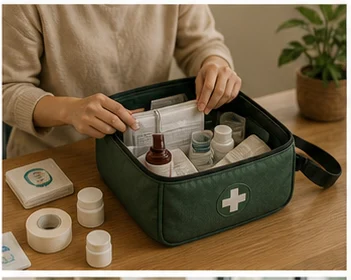
A pet first-aid kit: prepare to call the right person
Build a clearly labelled kit with your veterinarian, then make sure the household can find it.

After a procedure: prepare a resting space and questions
Bring home a plan for this procedure and this animal—not a recovery timetable copied from somewhere else.
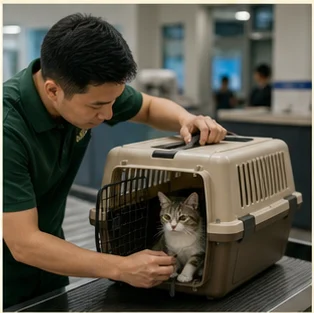
Before neutering: what to confirm with your veterinarian
Prepare an individual conversation about reasons, options, timing and the care a decision would involve.

Signs of aging: note changes before they become vague
Describe changes in familiar activities without dismissing them as “just getting older”.

Observing possible pain: use specifics instead of guesses
Tell the veterinary team what changed without pressing, provoking or scoring the animal yourself.

An emergency call: what helps a vet team understand faster
If you believe your animal may need emergency care, contact a veterinary provider now.
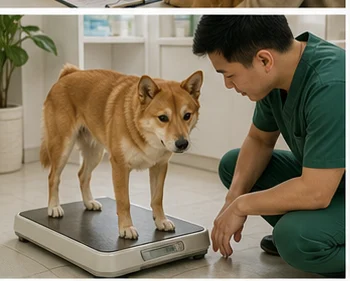
Body condition notes: a photo does not replace a conversation
Bring a usable weight history and ask your veterinarian to explain body and muscle condition separately.