Digestive changes: prepare information before calling a vet
Explain a vomiting or stool change clearly without using a diary as permission to wait.
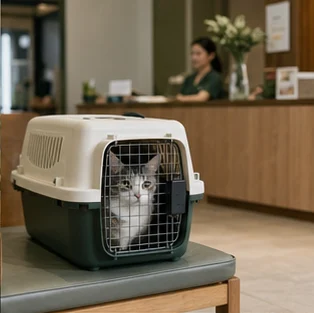
Contact your veterinary team about a concerning digestive change. If your animal seems seriously unwell or an exposure may have occurred, seek urgent advice. The notes below help a conversation already being arranged; they do not decide how serious the situation is or supply a home remedy.
Field notes
- Call before building a detailed diary.
- Describe what happened in ordinary words.
- Say what is known about possible exposure.
- Ask before collecting or transporting a sample.
01Give the immediate concern first
Tell the team the species, the main change and what is happening now. If you are unsure whether an event was vomiting or something else, describe what you actually saw rather than forcing it into a medical term.
A starting message can be: “My ___ has had ___. I first saw it at ___. Right now ___. We are at ___. Please advise what to do next.” Missing fields should not stop the call.
02Keep the sequence small and honest
Record the times you know and a plain description of the material or stool. Distinguish one event you witnessed from something another person found later.
Do not recreate the event or make the animal move to obtain a clearer account. If you are unsure of the number of episodes, explain that uncertainty instead of offering a reassuringly precise guess.
03Identify possible context without assigning blame
Tell the clinic about recent food changes, medicines and possible access to unfamiliar substances or objects. Keep packaging available when you can do so without delaying help.
A new food appearing before a change does not let this worksheet identify the cause. Include the information for the clinician to assess rather than starting a diet experiment to confirm your suspicion.
04Let the clinic direct photos and samples
Ask whether an existing photo or a sample would help, how to handle it and what to bring. Do not make sample collection a prerequisite for leaving when the team advises a visit.
If an image is requested, use the clinic’s confirmed contact channel and avoid including unrelated household or personal details. A picture supports the conversation; it does not replace an examination or guarantee a remote diagnosis.
05Repeat the agreed next step
Confirm the branch, arrival instructions and contact arrangement. If the clinic gives individual food, water or treatment directions, ask them to clarify anything you cannot confidently read back.
Do not impose fasting, give an over-the-counter treatment or use an online waiting interval from this article. If circumstances change before assessment, update the team rather than trying to finish a neat record first.
Questions to take with you
Ask before deciding
- What should we do now, given this animal’s situation?
- Would a photo or sample help, and how should it be handled?
- Which branch and arrival instructions should we follow?
This page cannot diagnose a digestive problem, set a safe waiting period or recommend food withdrawal or medication.
Sources and how to use this guide
These sources support the principles in this guide. It has not had a veterinarian’s clinical review, and it is not a facility inspection or a service-quality certification.