A pet first-aid kit: prepare to call the right person
Build a clearly labelled kit with your veterinarian, then make sure the household can find it.
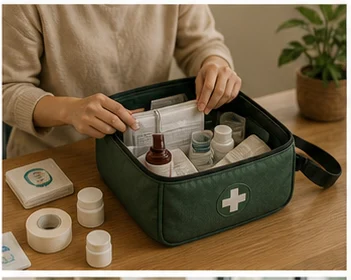
A useful emergency kit is not the box with the most equipment. It is a set of identifiable supplies, current contacts and instructions that the people caring for your animal can understand. Prepare it in advance; during an emergency, contact a veterinarian rather than shopping or studying this article.
Field notes
- Ask the veterinarian which supplies fit your situation.
- Keep instructions with identifiable items.
- Check packaging and expiry information.
- Practise finding the kit, not performing treatment.
01Start with a professional conversation
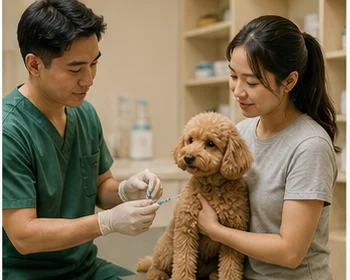
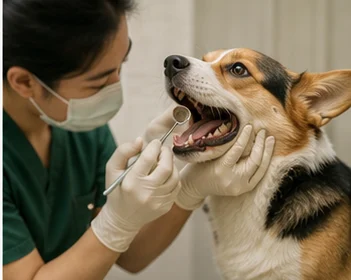
Ask your veterinary team what belongs in a kit for your animals and what training is needed to use those items. Describe the household, journeys and practical storage limitations.
Do not assume a pre-packed commercial kit contains only appropriate items. An object being included in a box does not mean it should be used for every injury or by someone without relevant instruction.
02Put contact information at the front
Add the animal’s identifying details, current treatment-record location and confirmed veterinary contact. Keep an alternative receiving provider recorded, with its branch and address rather than only a brand name.
Use a blank card: animal ___; main clinic ___; alternative ___; callback number ___; instructions location ___. Verify availability directly when help is needed; an old card is not proof that a team is available now.
03Inventory what you can actually identify
Record each item’s name, location, packaging condition and expiry information where applicable. Keep manufacturer instructions accessible so nobody has to infer the intended use from its appearance.
Separate “present and checked” from “needs clarification”. If a label cannot be read or packaging raises a concern, ask how to replace or handle the item instead of putting a confident tick beside it.
04Keep medicines under their own instructions
A kit is not permission to start medication. Ask your veterinarian about any medicine-related preparation and keep the animal-specific instructions attached to the labelled product.
Do not transfer medicines into anonymous containers or turn an online supply list into a treatment plan. In an actual emergency, ask the team what applies now, including questions about an animal’s usual medicine.
05Test access and handover without using supplies
Ask another carer to locate the kit and the contact card. Check whether they can read the labels and find the current instructions without your explanation.
Choose a person to review the inventory after an item is used, replaced or relocated. A short handover—“kit at ___; checked by ___; unresolved item ___”—is more useful than a box nobody has opened since purchase.
Questions to take with you
Ask before deciding
- Which supplies are appropriate, and which require training?
- How should we store and replace these specific items?
- What should another carer know before taking responsibility?
A practical sequence
- Discuss contents with the veterinary team.
- Label an inventory and contact card.
- Check that another carer can find them.
This is preparation guidance, not first-aid, CPR, airway, bandaging or poisoning treatment instructions.
Sources and how to use this guide
These sources support the principles in this guide. It has not had a veterinarian’s clinical review, and it is not a facility inspection or a service-quality certification.