Noisy holidays: make a retreat before the sound begins
Prepare the household before the celebration becomes loud.
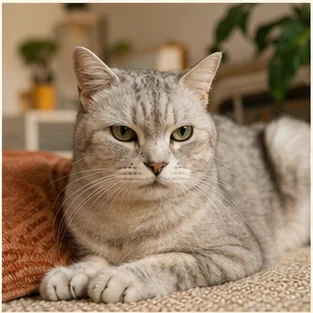
A useful holiday plan starts with the events near your actual home, not an assumption that a holiday has one predictable noise schedule. Your goal is to make ordinary care and a familiar retreat available. No room arrangement guarantees that a worried animal will become calm, and severe distress deserves professional help.
Before you begin
- Do not force an animal to watch or approach a noisy event.
- Ask for veterinary advice in advance if previous reactions concern you.
01Find out what is planned nearby
Check announcements from the building or actual event organiser and record what remains unknown. Include visitors, music, deliveries and repeated door opening, not only fireworks.
Ask a building contact: what work or event is planned near this entrance, and when? An expected finish time is useful planning information, not a guarantee that all noise will stop then.
02Prepare an already familiar retreat
Keep a resting place the animal recognises accessible, away from the busiest household activity where possible. Let the animal choose to use it instead of repeatedly bringing it out for reassurance or photographs.
RSPCA fireworks advice supports providing somewhere to hide and seeking help for worrying reactions. A new closed room introduced at the last moment should not automatically be treated as a comforting space.
03Give doors and guests an owner
Tell visitors which doors stay closed and which area is off limits. Assign someone to manage arrivals so the animal is not left beside an open entrance while everyone carries food inside.
For an apartment gathering, put a private note by the entry: animal's room __; door checker __. Keep food and party items managed as well as the noise itself.
04Plan support before the event
Describe previous reactions to your vet and ask what preparation is appropriate for this animal. Any medication or specialised behaviour plan should come from the relevant professional, not a holiday checklist.
Do not improvise sedatives or force exposure in an attempt to make the animal get used to it. The evening of the event is not a deadline for completing a training programme.
05Observe and adjust without punishment
Keep household responses calm and avoid punishing fear. If the arrangement is not working, prioritise the animal's needs over keeping the gathering exactly as planned.
Afterwards, record the actual noisy periods, available retreat and concerns worth discussing with the vet. That record can improve the next event plan without labelling one difficult night as a permanent personality trait.
Questions to take with you
Questions worth asking
- Which familiar place can remain undisturbed tonight?
- Who manages doors while guests arrive?
Your working note
- Event information __; unknown timing __; retreat __.
- Door owner __; professional advice needed __; notes afterwards __.
This is practical preparation, not veterinary, legal or travel clearance. Confirm individual care with the appropriate professional and current terms with the actual provider.
Sources and how to use this guide
These sources support the principles in this guide. It has not had a veterinarian’s clinical review, and it is not a facility inspection or a service-quality certification.