Daily water: make a small habit easier to notice
Give every water point a responsible person and every carer a clear handover.
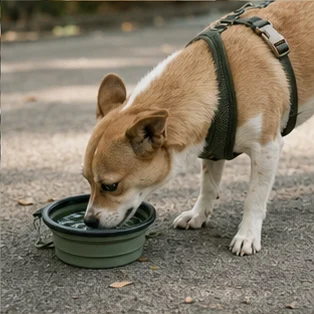
A full bowl is only useful if the animal can reach it and somebody keeps the arrangement working. This guide focuses on household responsibility: locations, access, cleaning, refilling and backup care. It does not measure hydration or set a drinking target for an individual animal.
Field notes
- Map the water points animals actually use.
- Check access, not just presence.
- Name the cleaning and refill owner.
- Contact the veterinarian about new drinking changes.
01Map the usable places
List the places where your animals spend time and the water they can access there. Consider what changes when an internal door is closed, a carer leaves or a usual route is blocked.
Walk through the arrangement as a household check, not a test of the animal. A bowl behind a closed door should not be counted as available just because it appears on the cleaning list.
02Notice whether every animal can approach
In a multi-animal home, observe ordinary access without staging competition. Note if one animal consistently avoids a location or another animal occupies the route.
Ask your veterinary team about arrangements when mobility, health or conflict makes access difficult. Do not withhold a familiar water option to make an animal demonstrate use of a new bowl or fountain.
03Assign cleaning and refilling separately
Decide who checks the water, who cleans the container and where the relevant manufacturer instructions are kept. A fountain also needs someone who knows its actual maintenance instructions.
Use a blank location card: water point ___; check/refill person ___; cleaning person ___; equipment instruction ___; backup ___. This page gives no disinfectant mixture or universal maintenance interval.
04Prepare for a missed handover
Show a backup carer the actual locations and supplies before they are responsible. Tell them about doors that must remain accessible and the household’s current arrangements.
If an electrical device stops working, the plan should already identify an accessible alternative water arrangement. Do not assume a power indicator means the animal has usable drinking water.
05Treat a changed habit as a separate question
Fresh, clean water access is part of ordinary care. A new change in drinking should be discussed with the veterinarian, not answered only by moving containers or comparing an online daily target.
Explain what you noticed and whether several animals share the same water. A lower bowl level does not identify which animal drank it. Follow any individual instructions from the veterinary team and keep access management separate from clinical assessment.
Questions to take with you
Ask before deciding
- Can every animal reach the water in the normal room setup?
- Who takes over cleaning and refilling if the usual person is away?
- How should we describe a new drinking change to the clinic?
A practical sequence
- Map usable water locations.
- Assign check, cleaning and backup responsibilities.
- Share the arrangement and report new concerns.
This is a household-access routine, not a hydration test, fluid prescription or cleaning-chemical recipe.
Sources and how to use this guide
These sources support the principles in this guide. It has not had a veterinarian’s clinical review, and it is not a facility inspection or a service-quality certification.