A pet sleep space: calm, optional, and easy to observe
A resting corner should work for the animal, not only for the room's photograph.
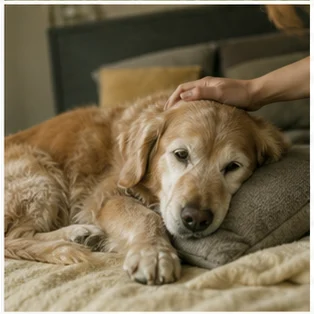
Before buying another bed, notice where your companion already chooses to settle. A useful sleep-space review asks whether rest is accessible and undisturbed through the actual household day. It is not a test of obedience, and a change in sleeping habits should not automatically be blamed on the furniture.
Before you begin
- Observe without waking or moving the animal.
- Record more than one resting option.
01Start with the places already chosen
Mark the spots used during a quiet morning, a busy evening and visitors' arrival. Note what happens nearby rather than deciding immediately that one position is the correct bed location.
A simple apartment note can read: sofa corner, delivery bell audible, people pass frequently. This records a practical constraint without interpreting the animal's mood from a single nap.
02Check comfort at the animal's level
Look for a dry, comfortable place away from persistent noise and draughts. Check how sunlight, air conditioning and nearby appliances affect the position as the day changes.
Reachability matters too. If access involves a jump or slippery approach that now seems difficult, discuss the animal's needs with a vet rather than constructing a medical explanation yourself.
03Keep a route out of household traffic
A resting place beside the front door may be interrupted whenever someone comes home. Consider whether a quieter alternative can remain available without trapping the animal away from resources.
In a shared home, mark the rest area on a small room sketch. Ask everyone, including visitors, to leave the animal undisturbed there; having a bed is not the same as protecting rest.
04Make upkeep someone's task
Choose bedding the household can maintain according to its care instructions. Decide who checks whether it is wet, dirty or damaged and where the animal can rest while it is cleaned.
Avoid changing every familiar item at once merely to match a new interior. Keep the animal's actual use of the space in the decision, not an assumption that a more expensive bed must be better.
05Reassess a change, not a sleep score
Write down when a resting pattern changed and what else changed at home. Compare access, interruptions and comfort before deciding whether a different placement solves the practical problem.
If the animal appears uncomfortable, cannot settle or has other concerning changes, contact the vet. A room assessment can support that conversation but cannot explain pain or determine a safe waiting period.
Questions to take with you
Questions worth asking
- Can the animal reach this spot without a difficult approach?
- Who protects this resting area when guests arrive?
Your working note
- Location: __; interruptions: __; alternative: __.
- Change agreed: __; person responsible: __; review date: __.
This is practical preparation, not veterinary, legal or travel clearance. Confirm individual care with the appropriate professional and current terms with the actual provider.
Sources and how to use this guide
These sources support the principles in this guide. It has not had a veterinarian’s clinical review, and it is not a facility inspection or a service-quality certification.