First vet visit with a cat: reduce surprises before leaving home
Prepare the carrier, arrival conversation and return-home questions so the first visit has fewer avoidable surprises.
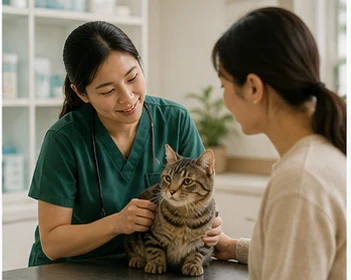
A first cat appointment is more than a list of vaccines. It begins when you contact reception and ends when you understand the instructions for home. This guide is for preparation; a concern that may be urgent should be discussed with the clinic immediately.
Field notes
- Explain the reason when booking.
- Prepare transport separately.
- Ask about the waiting arrangement.
- Leave with clear written instructions.
01Tell reception what matters
Give the cat's approximate age if known, the reason for the appointment and any current concern. Say if handling or a previous journey was difficult; do not wait until the examination to mention it.
Confirm the exact branch, entrance and appointment process. Ask what records they want and whether anything must be clarified with the clinical team before you leave home.
02Prepare the carrier beforehand
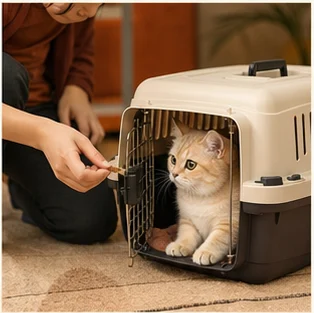
Make carrier familiarity part of ordinary preparation rather than the final minutes before departure. Use the separate carrier-learning guide and ask the clinic about individual difficulties.
Check closures and the travel arrangement without forcing a practice examination. Do not delay needed care while waiting for ideal training or use medication that was not prescribed for this cat.
03Ask about waiting and handling
Ask where to wait with the secured carrier and what to do if the area is busy. Tell staff how the cat usually responds to unfamiliar people or being touched.
Request that handling questions be discussed with you. A clinic's cat-friendly wording is not the same as verified accreditation; ask what the actual arrangements are for your appointment.
04Bring a concise home record
Prepare food and medicine details, previous records and a few dated observations. If history is missing, label it unknown rather than reconstructing a medical story from memory.
A visit card can read: main question ___; observed change/date ___; current products ___; previous clinic ___; language support needed ___. Ask the clinic to confirm clinically important translated instructions.
05Finish with the homeward plan
Before leaving, ask what was assessed, which questions remain open and what you should do at home. Clarify any medication instructions directly, including whom to call if the wording is unclear.
Ask about the return journey, other animals at home and the agreed follow-up. Record the contact and instructions you actually received; this article supplies no universal recovery or vaccination timetable.
Questions to take with you
Ask before deciding
- Where should we wait with this cat?
- Can you explain the next step before handling begins?
- Which instructions should we take home in writing?
A practical sequence
- Confirm reception details.
- Prepare carrier and records.
- Read back the home instructions.
Appointment preparation is not diagnosis or a medication plan. Veterinary instructions for this cat take precedence over general website guidance.
Sources and how to use this guide
These sources support the principles in this guide. It has not had a veterinarian’s clinical review, and it is not a facility inspection or a service-quality certification.