Guides for life with dogs and cats
100 original guides written for life in Vietnam: bringing a pet home, vet visits, food, play, travel and choosing services. Every guide links to sources you can open.
18 guides · A calmer home and the small signals worth noticing.
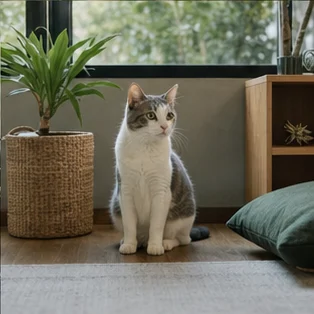
A safe base for a cat: one small territory before the whole home
Design a dependable place within your existing home where your cat can rest, access resources and choose distance.
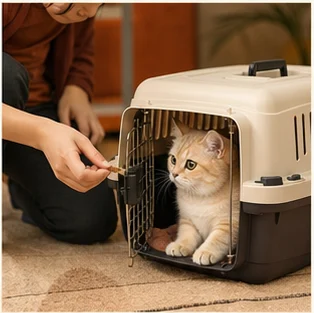
Carrier training for cats: make it familiar before travel day
Make the carrier a familiar object before a planned journey, while keeping urgent care separate from training progress.
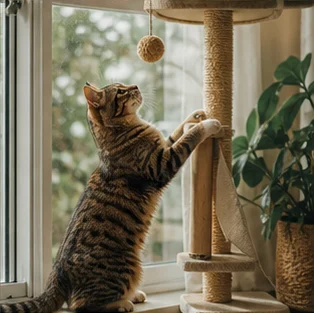
Cat enrichment at home: height, hiding, and play rhythm
Offer an indoor cat meaningful choices for play, exploration and rest without making the home constantly busy.
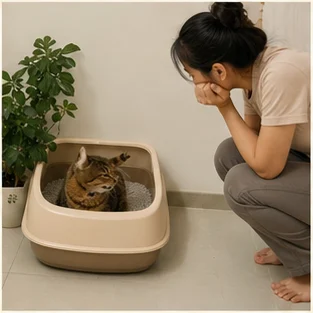
The litter box: what to observe before changing everything
Keep toileting observations useful and the litter setup accessible, without mistaking a possible urinary problem for bad behaviour.

Cat meals: consistency can matter more than complexity
A useful feeding routine makes the current plan visible to everyone without turning a package guide into a prescription.

Brushing a cat: read the stop signal before going longer
Build a brushing habit around what your cat can comfortably accept, not around finishing the whole coat in one sitting.

A safer balcony for cats: review gaps and habits
Treat a balcony as an access-control problem that needs suitable physical assessment, not as a view that becomes safe when someone watches.
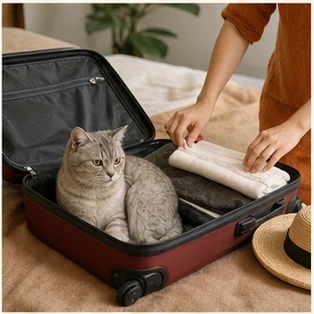
Moving home with a cat: keep a few familiar things
Prepare a familiar, usable starting space and let observations guide the settling plan instead of imposing a move-in deadline.

Senior cats: see comfort through very small changes
Look for changes in how your older cat reaches ordinary resources, then discuss practical support with the veterinary team.

Cat stress signals: do not separate behavior from environment
Write down the change, its setting and its effect on ordinary life before deciding that a cat is stressed or misbehaving.
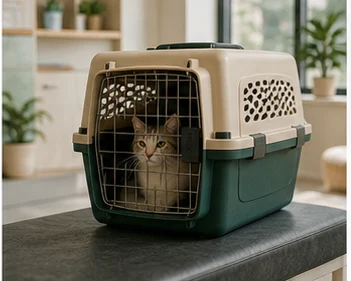
Travel with a cat: fewer surprises in motion
Plan each transfer, waiting point and receiving contact after carrier familiarity has been addressed separately.

Introducing cats: no need to force a fast friendship
Plan introductions as a series of reversible stages with separate resources, not as a meeting that must work on arrival day.
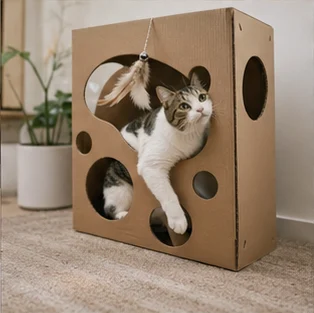
Playing with a kitten: finish before it becomes too much
Make play easy to start, supervise and finish, with toys stored where a kitten cannot reach loose strings or small parts.

A cat's water habits: note the pattern instead of guessing
Describe a change in this cat's drinking with its food and shared-bowl context, and ask a vet what it means.
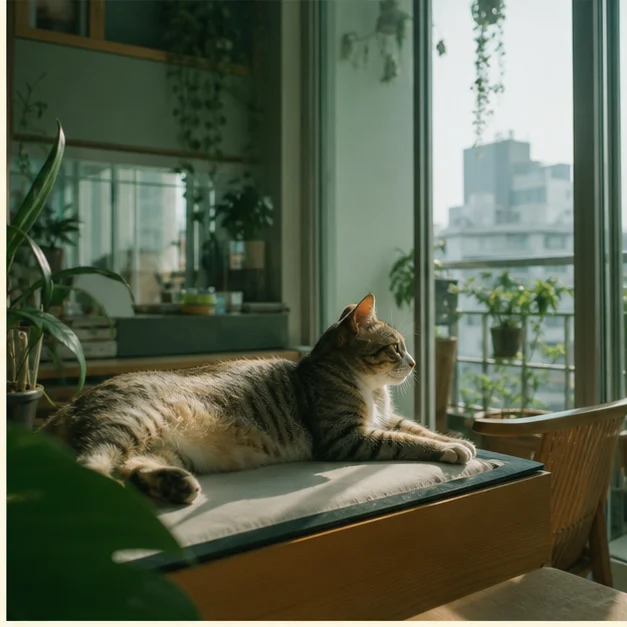
Cats on hot days: create more resting options
Check the room your cat actually uses, keep cooler choices and water accessible, and prepare a professional contact route before a hot day.
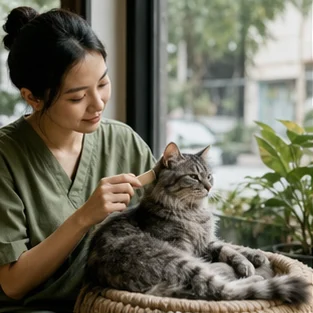
Cat grooming: ask about necessity before booking
Start with the reason for grooming and the cat's condition, then ask a named provider what it can responsibly offer.

Boarding or home care: choose around your cat's temperament
Compare what an actual sitter and an actual boarding provider can deliver for this cat, rather than declaring one service label universally better.
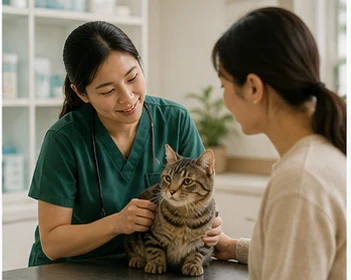
First vet visit with a cat: reduce surprises before leaving home
Prepare the carrier, arrival conversation and return-home questions so the first visit has fewer avoidable surprises.