Travel with a cat: fewer surprises in motion
Plan each transfer, waiting point and receiving contact after carrier familiarity has been addressed separately.
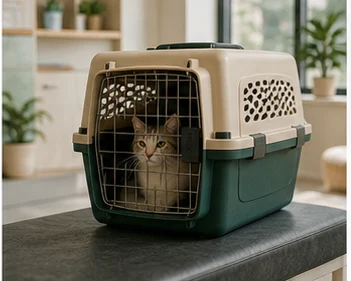
A cat can be familiar with its carrier while the journey remains poorly organised. The useful travel plan joins the apartment door, vehicle, arrival entrance and return trip. It does not copy one airline's rules onto every form of transport.
Field notes
- Confirm the actual destination.
- Plan transfers and waiting.
- Keep relevant records reachable.
- Ask about distress before later trips.
01Check what the journey is for
Confirm the named destination and that it can receive this cat for the intended purpose. A clinic appointment, boarding admission and flight each have different confirmation questions.
Write the exact branch or operator, date and contact channel. A network name alone may send the driver to the wrong entrance or leave a booking condition unresolved.
02Walk through the handovers
Describe who carries the secured carrier from the home to the vehicle, who meets you and where you can wait. Check practical access such as a changed entrance before departure.
Do not open the carrier in an unsecured transfer area to reassure the cat. Ask the receiving team about handling arrangements instead of improvising at the roadside.
03Pack accessible information
Keep the destination message, relevant health records and veterinary instructions in one reachable folder. Avoid burying essential information underneath luggage that someone else has packed.
A blank local journey card can read: pickup ___; destination branch ___; confirmed contact ___; return option ___; backup contact ___. Send only the address information a driver actually needs.
04Recheck the equipment chain
Inspect the carrier's closures and condition in line with its instructions before travel. Confirm with the operator how the carrier will be positioned and secured for that specific journey.
A bag advertised for pets is not proof of transport suitability. This article does not certify crash protection, airline acceptance or a way to carry a cat on a motorbike.
05Review the difficult part
After the trip, record where distress or confusion occurred: entering the carrier, waiting, vehicle movement or arrival. A specific sequence is more useful than saying the cat hates travel.
Discuss it with the vet before another longer trip. Do not use someone else's sedative, change medicines or invent a fasting rule to make the next journey easier.
Questions to take with you
Ask before deciding
- Which entrance and waiting place should we use?
- How will this operator secure and accept this carrier?
- What should we discuss before the next journey?
A practical sequence
- Confirm destination and operator.
- Write each handover.
- Keep records accessible.
Transport acceptance and clinical preparation require direct confirmation. This is not carrier training, sedation advice or a transport-safety certification.
Sources and how to use this guide
These sources support the principles in this guide. It has not had a veterinarian’s clinical review, and it is not a facility inspection or a service-quality certification.