Heat and dogs: questions to ask before heading out
Change the outing before heat becomes a problem, and contact a veterinarian promptly if heat illness is suspected.
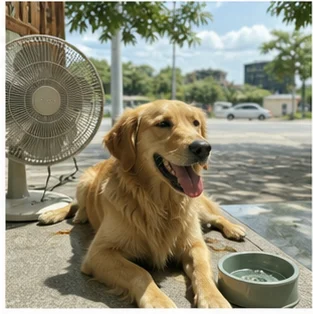
If your dog appears unwell after heat exposure or you suspect heat illness, contact a veterinary provider immediately and follow its instructions. Do not wait to complete this planning guide or use an online temperature rule to decide that help is unnecessary.
What to take away
- Consider the whole exposure, including waiting and transport.
- There is no single temperature that guarantees safety for every dog.
- A shorter or cancelled outing can be the correct choice.
01Look beyond the forecast number
Consider sun, humidity, shade, surfaces, transport and time spent waiting at entrances. A route can expose a dog to heat before the actual walk begins, and a shaded destination does not make the journey there harmless.
Check current conditions rather than relying on yesterday’s plan. Do not use a hand test on pavement or one weather reading as a complete safety assessment; the animal’s situation matters as well.
02Ask about individual vulnerability
Discuss your dog’s health, age, body condition, breathing characteristics and any current care plan with the veterinary team. Ask how these affect hot-weather activity and what changes the team recommends for this dog.
Do not assume a previously completed walk proves the next one will be safe. Avoid borrowing another dog’s distance or pace as a target when their needs and the day’s conditions differ.
03Choose the alternative before leaving
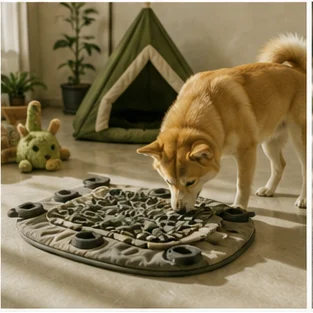
Prepare an option with less heat exposure, a suitable indoor activity or postponement of a nonessential trip. Keep appropriate access to water and a comfortable environment, while recognising that supplies alone cannot make a risky outing safe.
Plan transport so the dog is never left unattended in a vehicle. If an errand would require that, change the arrangement. A brief stop or a partially open window should not be the foundation of the plan.
04Stop and seek help for a concern
End the activity if the dog appears distressed or unwell, and contact a veterinary provider promptly when heat illness is possible. Tell the team about the exposure, what you observed and your location so it can guide the next action.
Do not force the dog to finish walking home or delay the call while searching for a perfect symptom checklist. This article does not provide a cooling protocol, diagnosis or a safe period to wait before care.
05Use the experience to change the routine
Record where exposure accumulated: waiting for transport, an unshaded crossing or a route with no easy return. Share the practical problem with other caregivers and revise the plan before the next outing.
A household card can say “Today’s conditions [ ]; lower-heat alternative [ ]; person checking before departure [ ].” If a health event occurred, the treating team’s follow-up instructions take priority over the ordinary walk schedule.
Questions to take with you
Questions you can use
- How does my dog’s health affect the hot-weather plan?
- Where will heat exposure occur before and after the walk itself?
- What should we do now if you suspect heat illness?
This guide supports preparation and conversation, not diagnosis or veterinary treatment. Contact a veterinary provider for health concerns or possible emergencies; do not delay care to complete a checklist.
Sources and how to use this guide
These sources support the principles in this guide. It has not had a veterinarian’s clinical review, and it is not a facility inspection or a service-quality certification.