Guides for life with dogs and cats
100 original guides written for life in Vietnam: bringing a pet home, vet visits, food, play, travel and choosing services. Every guide links to sources you can open.
18 guides · Small routines for observing, communicating with, and caring for a dog.

Reading dog body language: see the context, not one gesture
Learn to describe what your dog is doing in context, without turning one signal into a personality verdict.
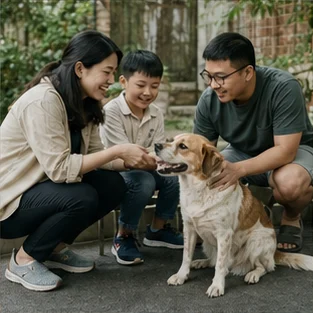
Puppy socialisation: small, safe experiences with choice
Build a plan for positive everyday experiences while discussing health and exposure choices with your veterinary team.
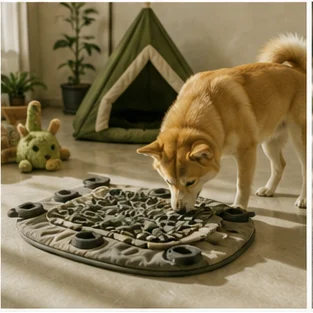
Dog enrichment at home: begin with the daily rhythm
Create a small menu of suitable activities that gives your dog choices without filling every quiet moment.
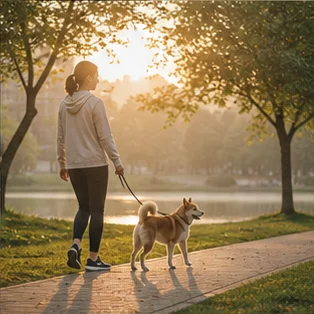
Building a walk routine: quality is not only minutes
Design a walk that works from your front door to the return home, with a shorter alternative ready.
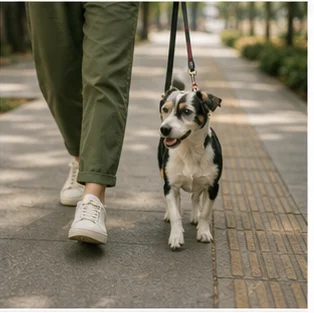
Leash and calm: what to align before going outside
Make walking together a small learning task, with suitable equipment and rewards, before adding a busy street.
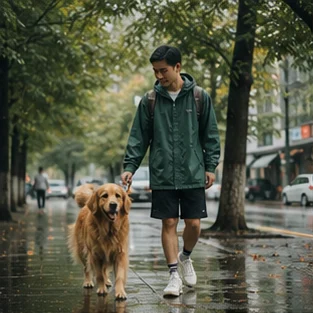
Rainy days with a dog: adapt the rhythm, not the whole day
Keep toileting, suitable activity and rest workable when weather disrupts the usual walk.
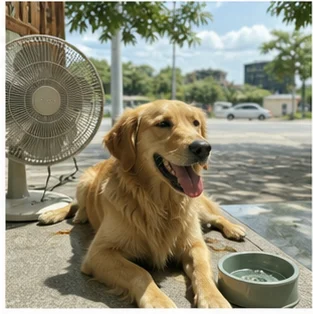
Heat and dogs: questions to ask before heading out
Change the outing before heat becomes a problem, and contact a veterinarian promptly if heat illness is suspected.
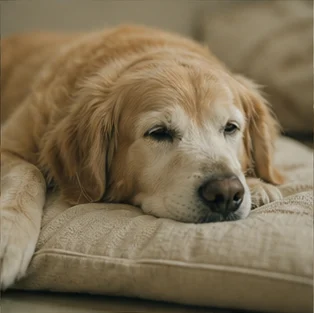
Senior dogs: notice comfort in familiar activities
Make everyday access easier while bringing new changes to a veterinary discussion rather than dismissing them as age.
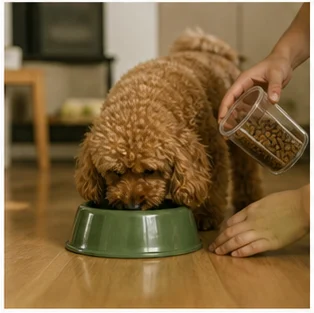
Dog weight: ask better questions than one number
Bring a complete picture of eating and daily life to a weight discussion, without prescribing a diet at home.
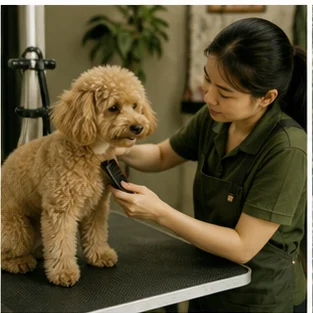
Brushing a dog: make a small task feel calmer
Make routine coat care manageable by matching the tool, location and handling to your individual dog.
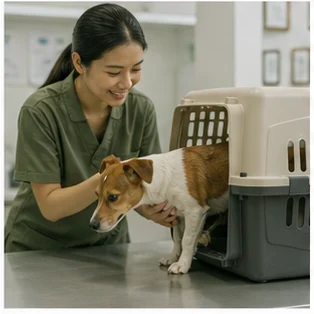
Before a dog bath: prepare to reduce stress
Prepare the product, footing and finish before a necessary bath, without improvising treatment or restraint.
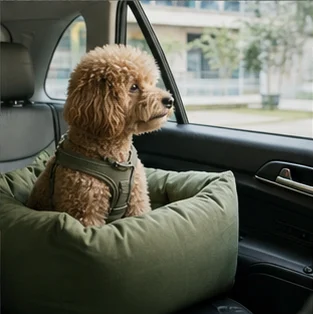
Car travel with a dog: prepare for the short trip first
Plan loading, restraint, the journey and unloading as one connected trip rather than a seat in a car.
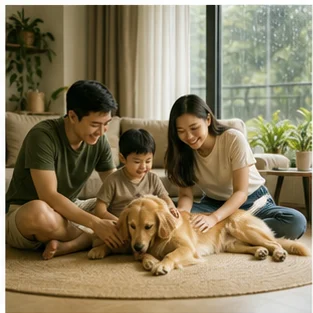
Visitors and dogs: allow for respectful distance
Make the arrival plan clear to people so your dog does not have to manage an unpredictable doorway.
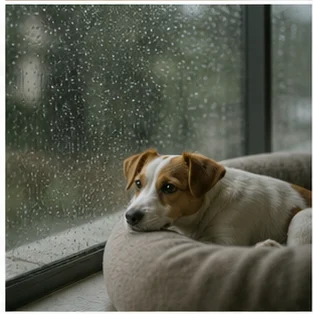
When barking changes: what to note before concluding
Turn a change in barking into a clear observation record, not a label or an immediate punishment plan.
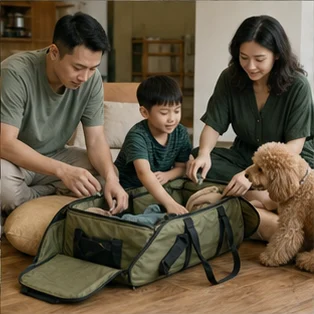
Before dog boarding: prepare information and familiar items
Prepare an already chosen stay with a clear admission check, labelled belongings and a workable communication plan.
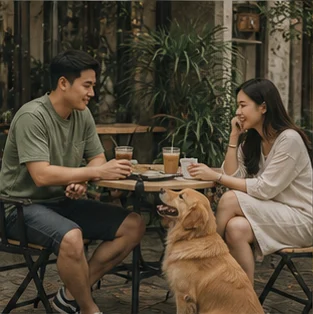
A cafe with your dog: check the space before the photo
Decide whether this particular visit suits your dog, not just whether a venue accepts animals.
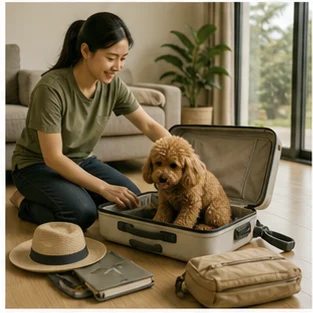
A dog's time alone: build predictable cues
Understand the current absence pattern and arrange support before asking your dog to cope with more.
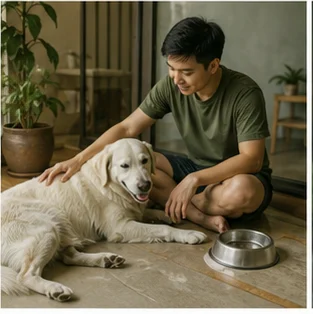
After a vet visit: a quieter evening may be enough
Leave with clear instructions and a contact plan; do not assume a quiet evening is enough after every visit.