Rainy days with a dog: adapt the rhythm, not the whole day
Keep toileting, suitable activity and rest workable when weather disrupts the usual walk.
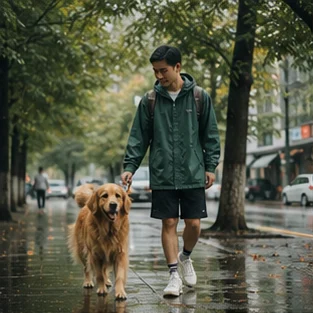
A wet day does not require either ignoring the weather or recreating a long outdoor walk indoors. Separate what your dog needs today from the exact route you usually take, then choose a practical alternative that the household can maintain.
What to take away
- Check current conditions, not just the word rain.
- Keep toileting and a dry resting place planned.
- Use appropriate indoor choices without compensatory overexercise.
01Decide what actually changed
Check the current forecast and the conditions you can safely observe at the entrance. A light shower and a route affected by dangerous weather are different situations; this guide cannot verify a street, flood depth or local warning.
If access is unsafe, change the plan and seek an appropriate local alternative. Do not enter floodwater, hazardous traffic or storm conditions to complete a usual distance. The route is optional; responsible care is not.
02Keep basic access organised
Plan suitable toilet opportunities and a dry, comfortable resting area. If your ordinary arrangement cannot be used, ask an appropriate professional about an alternative the dog can learn rather than expecting an immediate unexplained change.
In an apartment, agree who handles the necessary trip and where wet equipment will go afterwards. This avoids a rushed handover in the lift lobby while another person assumes the dog has already been out.
03Select one indoor activity
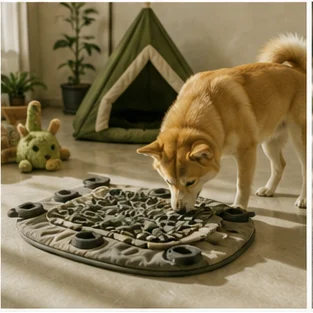
Choose a supervised activity suited to the dog, such as a simple search using appropriate food, familiar reward-based practice or play with a suitable item. Clear a safe space rather than using stairs or slippery floors for repeated exertion.
Let the dog stop and rest. An indoor session does not need to reproduce the mileage of a walk, and a puzzle is not a universal replacement for all the dog’s movement and toileting needs.
04Make the return comfortable
Have a towel and an appropriate place to remove wet equipment ready before leaving. Check the dog and equipment calmly after a necessary trip, following the dog’s existing care plan for any specific skin or mobility needs.
Do not apply household cleaning chemicals to the coat or feet. If you notice an injury, discomfort or a concerning exposure, contact a veterinary provider instead of treating every post-rain change as ordinary dirt.
05Resume without a catch-up target
When conditions improve, return to a suitable routine without suddenly adding strenuous activity to repay a missed walk. Review what the dog actually needed and what the household found difficult.
A rain-day note can use “Toilet outing [ ]; indoor activity [ ]; dry resting place [ ]; weather recheck [ ].” Keep the outdoor choice open until conditions are known, and change the plan for practical problems rather than a guilt-driven distance target.
Questions to take with you
Questions you can use
- Which parts of today’s route are actually usable?
- Who is responsible for toilet access and the wet-equipment handover?
- What indoor option suits this dog without adding unnecessary strain?
This guide supports preparation and conversation, not diagnosis or veterinary treatment. Contact a veterinary provider for health concerns or possible emergencies; do not delay care to complete a checklist.
Sources and how to use this guide
These sources support the principles in this guide. It has not had a veterinarian’s clinical review, and it is not a facility inspection or a service-quality certification.